
Karma Automotive
Brand Strategy
Scarcity Without Legitimacy: The Positioning Problem Behind Karma’s Luxury Perception Gap
Problem Statement
Karma’s rarity exists, but it is not reliably interpreted as elite status and membership because the brand’s legitimacy signals are not strong enough to turn scarcity into a “ticket to the group.”
Context
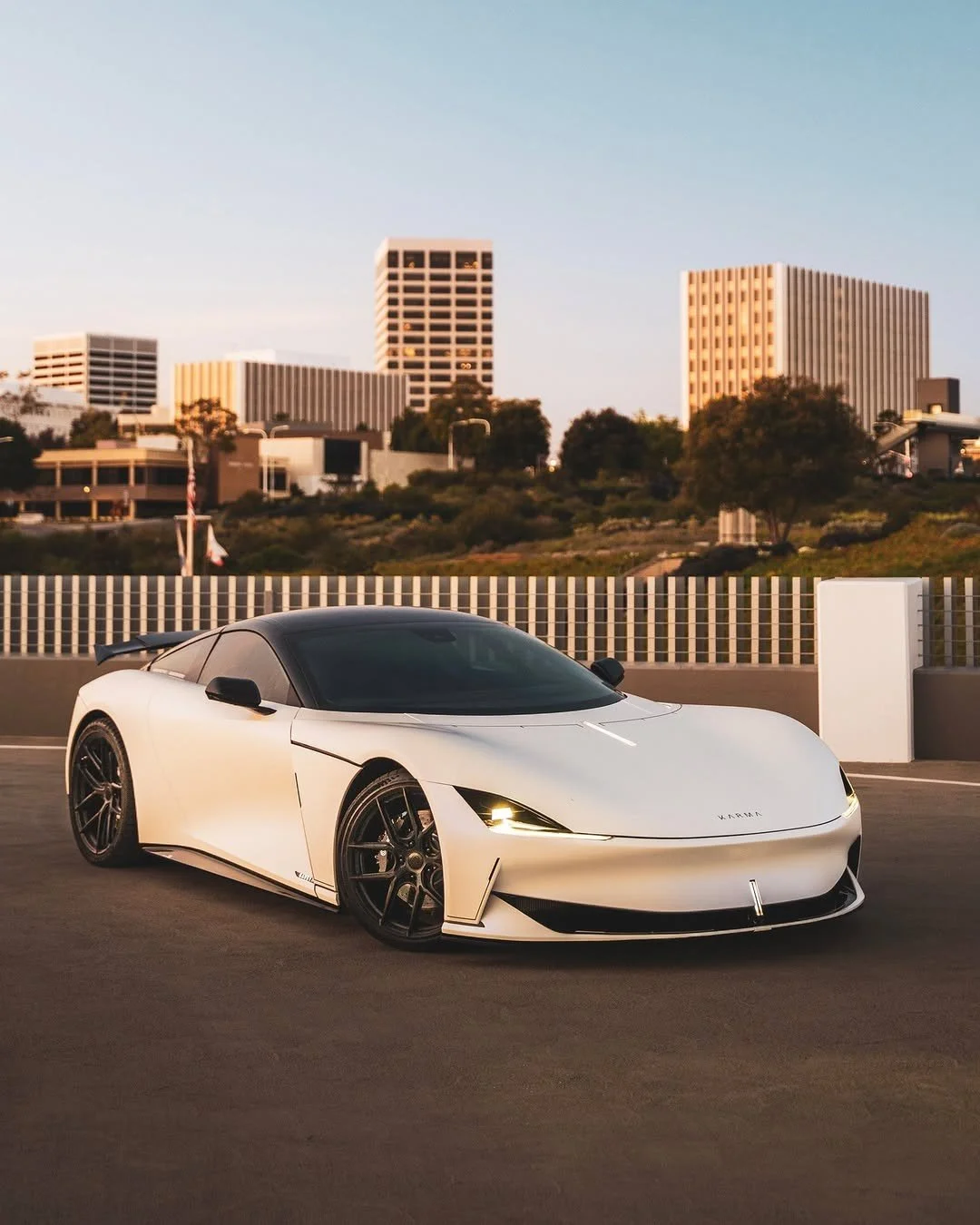
Karma is a Southern California-based luxury vehicle maker, headquartered in Irvine with production in Moreno Valley.
The brand has also communicated ultra-limited production on specific releases, which proves scarcity is available as an asset.
The gap is not scarcity. The gap is what scarcity means.
“Every Karma we build will be shaped to fit the person who is driving it, owning it, and loving it.”
-President of Karma Automotive Marques McCammon
Diagnosis:
Karma has real assets that could support legitimacy, however, brand struggles with communication with customer
-
Karma already has the kind of scarcity that luxury brands try to manufacture. Low-volume releases and limited availability exist as facts, but the market does not automatically translate “rare” into “elite.” Scarcity can mean two opposite things in customers’ minds: either “this is exclusive because it is earned,” or “this is uncommon because it is niche.” Right now, Karma’s scarcity is not consistently framed as a privilege with rules, rituals, and a clear “why,” so it risks being interpreted as the second version.
-
Karma’s current messaging often leans on broad emotional language that can apply to almost any luxury car. When a brand sounds like it is claiming everything, the audience does not know what to believe most.
-
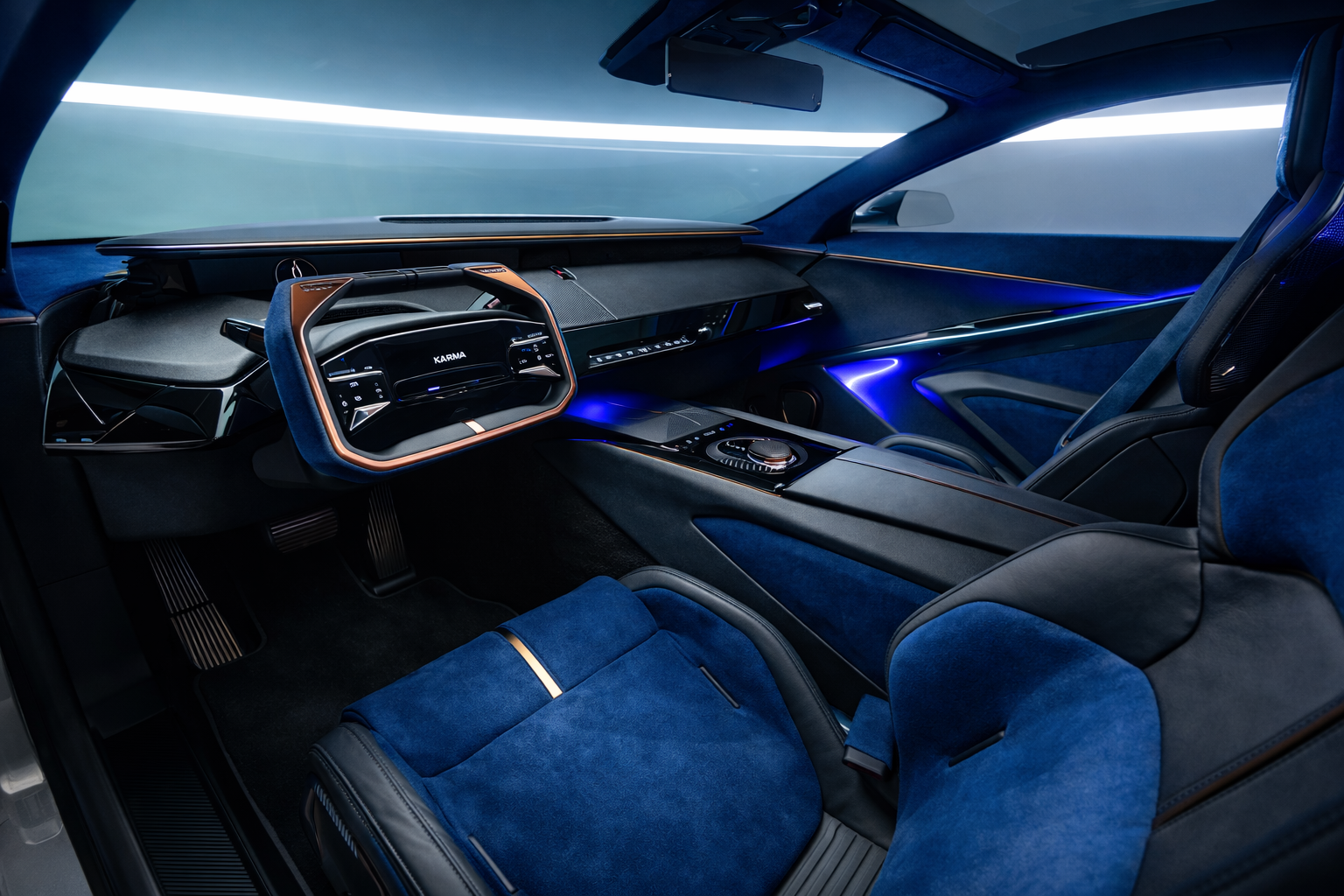
For Karma, sustainability becomes powerful when it is translated into materials excellence and documented choices. Named materials, provenance, process transparency, and a clear “why this is better” can turn sustainability from a vague claim into a credibility pillar that strengthens the luxury perception.
The legitimacy engine
Certification
Coachbuilding certification: The proof of what is handcrafted, where, and why it matters.
Materials certification: turn “sustainable luxury” into named materials, traceable sources, and design rationale.
Ownership certification: The ownership portal and client services part of the status narrative, not just support tools.

Access
invitation-only previews
atelier appointments
owner-hosted salons
limited allocations tied to participation (not just first-come)
Ritual
Craft salons: “how it is made” sessions (materials, finishing, personalization)
Owner circles: small, recurring local gatherings
Partner weekends: curated drives + design experiences, not influencer events.
Personas
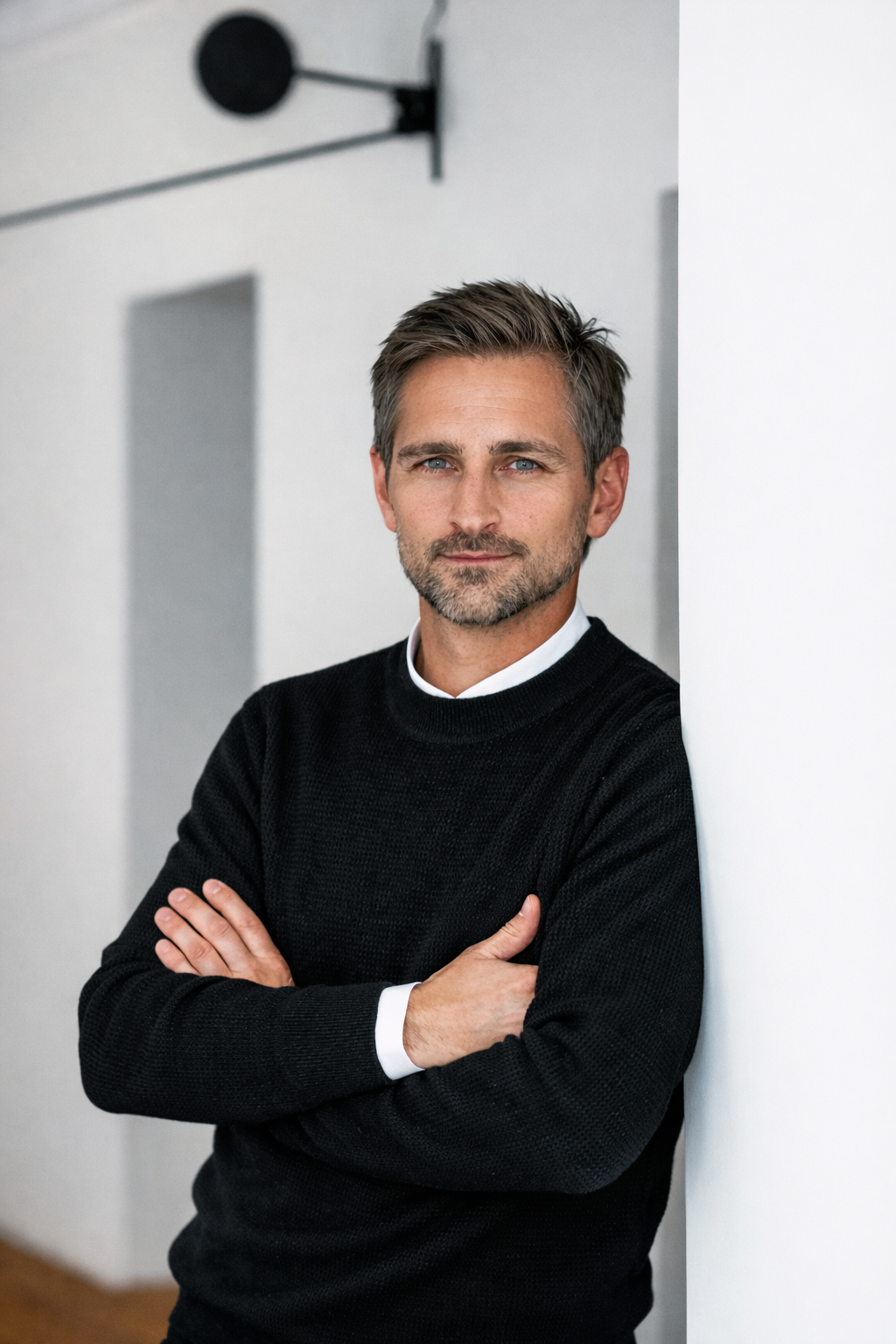
Frederic Gason
Geography: Los Angeles, CA
Martial Status: Married, no kids
Salary Range: 500,000$- 700,000$
Buys objects as taste signals, not performance trophies.
Wants: authorship, craft, limited access, small-circle recognition.
Skepticism: “If this is truly special, why is the story not specific?”
Owner of Boutique Design Studio
Age: 48
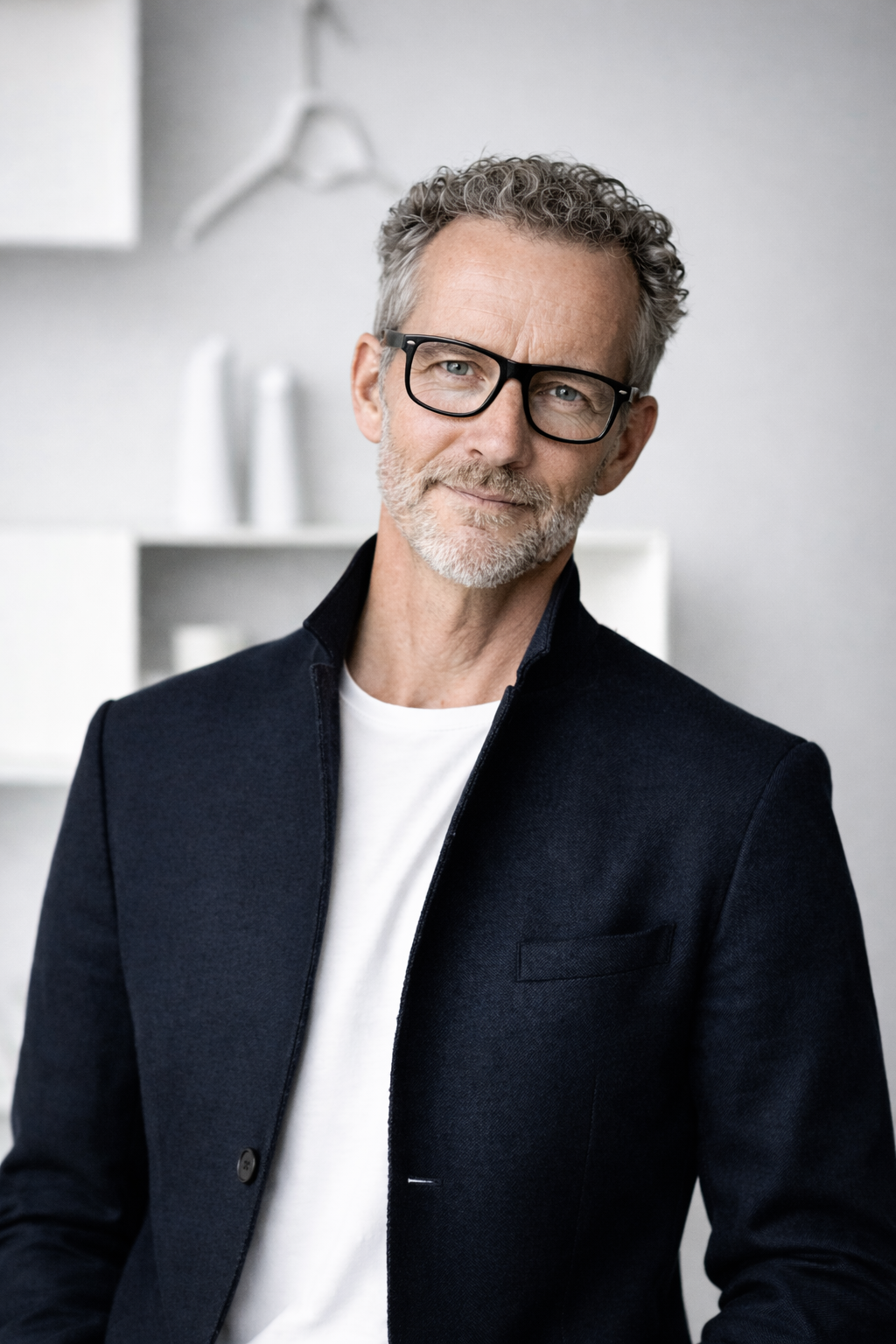
Steven Sterlewitz
Private Wealth managing director
Age: 53

VP, Operations and Supply Chain
Age: 35
Maya Chan
Geography: Greenwich, Connecticut (NYC metro)
Marital status: Married, 1–2 children
Salary range: $400,000 to $1,200,000 (base + bonus)
Avoids loud status, wants “insider status” that reads subtle.
Wants: discreet prestige, concierge certainty, private access.
Skepticism: “Luxury claims are easy. Consistency is rare.”
Geography: Seattle, Washington
Marital status: In a long-term relationship, no children
Salary range: $220,000 to $450,000 (base + bonus + equity)
Not looking for activism branding, looking for “better choices, beautifully executed.”
Wants: materials excellence, provenance, transparency.
Skepticism: “If it’s real, show me what it is made of and why.”

CEO of Tech Firm
Age: 27
Grant Hlloway
Geography: Austin, Texas
Marital status: Divorced, shared custody (1 child)
Salary range: $300,000 to $900,000 (salary + distributions), plus significant net-worth variability
Has already done the mainstream status route.
Wants: rarity with meaning, a circle with culture, not hype.
Skepticism: “Rare is not enough. Who else is in this, and why?”

Messaging architecture
.
Without “Everything” Language
01
memorability
Coachbuilt membership, modern American luxury.
02
credibility
Craftsmanship and materials excellence, made tangible.
03
confidence
Technology as seamless ownership, not as a headline.
04
values
Sustainability as specific, documented choices, partnered and provable.
Karma Circle
A membership structure with visible tiers based on participation, not spend.
-
Invitation preview, atelier appointment, and first ritual event.
-
Quarterly salons and curated drives.
-
small-batch personalization access, private partner experiences, closed-room previews.
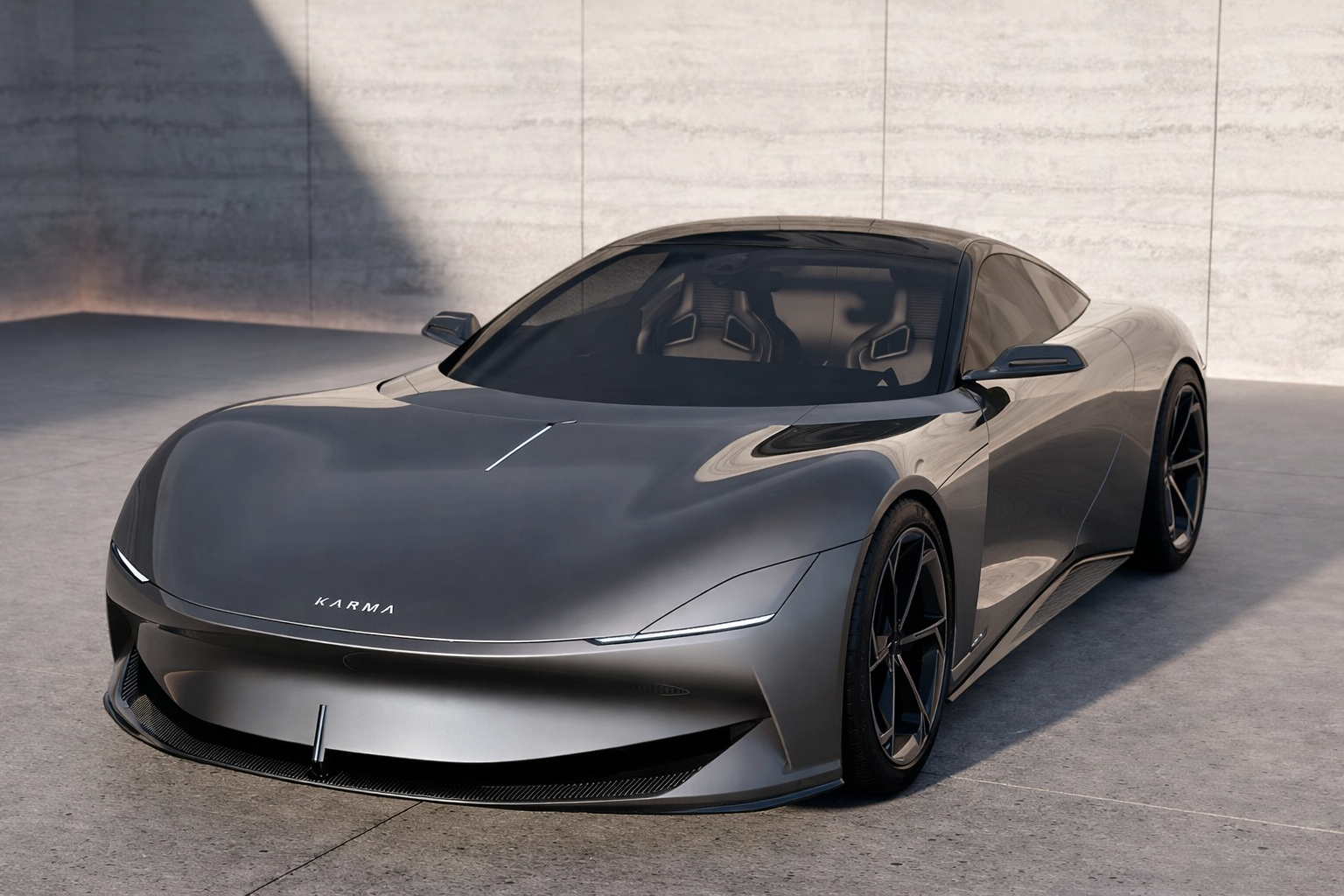
Ownership program concept:
The point is not perks. The point is to make ownership feel like a living identity, the way Luxury makes allocation a social system.
How success is measured
-
Cues that make buyers perceive scarcity as deserved rather than accidental. Legitimacy answers: “Why should the world agree this is elite?”
-
It turns scarcity into a real “ticket” system. If invitations, participation, and referrals grow, scarcity stops feeling like low volume and starts functioning like access to a circle that people want to join.
-
It prevents the brand from losing legitimacy at the most important moment: after someone buys. If trust rises, Karma’s prestige becomes durable, because owners feel supported, proud, and secure long-term.
-
It removes “generic ESG” impressions. If transparency and partner credibility rise, sustainability stops being vague marketing and becomes a legitimacy pillar that strengthens modern luxury perception.
Conclusion